Hormone-informed care
Perimenopause Anxiety: Symptoms and Support
When anxiety feels new, sharper, or harder to settle in midlife, it is reasonable to ask whether perimenopause could be part of the picture.

Anxiety during perimenopause can be disorienting, especially when it does not match how you usually feel. You may be used to handling a full life, then find yourself lying awake with racing thoughts, feeling unusually tense before a meeting, or becoming overwhelmed by things that once felt manageable. That experience is real, and it deserves more than a quick explanation.
Perimenopause is the transition leading up to menopause. It can involve changes in menstrual cycles, sleep, temperature regulation, mood, and concentration. The Mayo Clinic’s overview of perimenopause emphasizes that symptoms and timing vary from person to person. Anxiety may be part of that shifting picture for some people, but it is never the only possibility worth considering.
The useful question is not, “Is this definitely hormones or definitely anxiety?” More often, it is, “What has changed, what is affecting my nervous system, and what support would help?” A thoughtful conversation can make room for hormones, sleep, stress, health history, medication changes, and the ordinary pressures of a demanding season of life.
What perimenopause anxiety can feel like
Anxiety is not always a dramatic panic attack. It can show up as a low, persistent sense that something is wrong, even when you cannot identify a clear threat. It may also feel physical: a tight chest, a fluttering heart, nausea, shakiness, a knot in the stomach, or difficulty taking a full breath. These symptoms can be frightening, which can then make the anxiety feel even stronger.
For some people, the change is more emotional than physical. You might feel unusually irritable, sensitive, tearful, impatient, or unable to turn your mind off. Others notice that they are avoiding situations, checking for reassurance, or spending a great deal of energy trying to stay composed. The Menopause Society’s mental health guidance notes that anxiety can be shaped by the transition itself as well as by hot flashes, sleep changes, and life circumstances.
None of these signs can diagnose perimenopause or an anxiety disorder on their own. They are signals to take seriously, particularly when they interfere with work, relationships, rest, or your ability to enjoy daily life.
Why sleep and physical symptoms can make anxiety feel bigger
Sleep is one of the clearest places where perimenopause and anxiety can overlap. Night sweats, temperature shifts, or repeated waking can leave your body feeling as though it has been on alert all night. Then the next day, it is harder to concentrate, tolerate stress, or put anxious thoughts in perspective. A difficult night does not mean you are failing to cope. It means your nervous system may need more support.
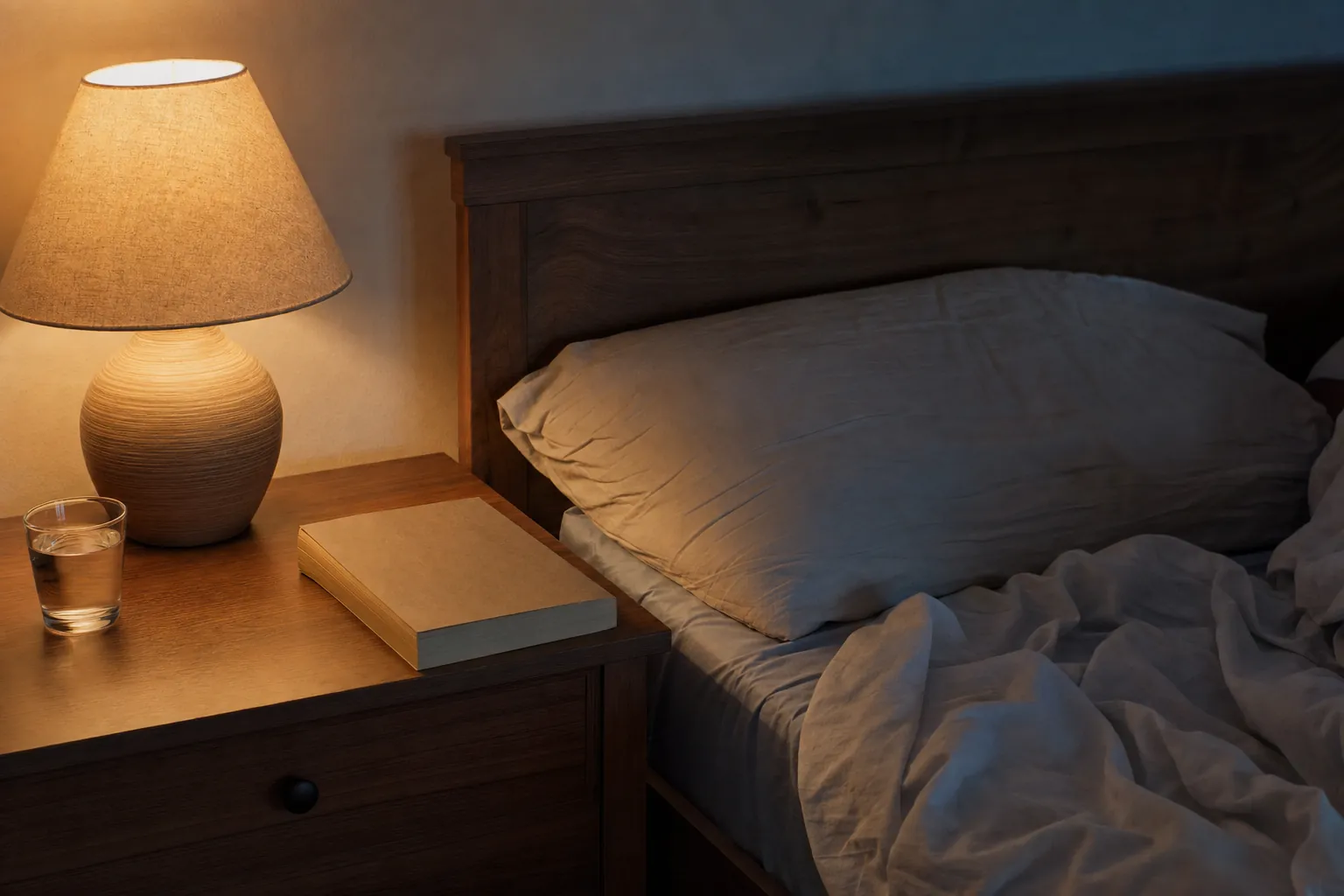
Physical symptoms can also be confusing. A hot flash may be accompanied by sweating, chills, a rapid heartbeat, or a wave of anxiety. The Menopause Society’s perimenopause resource notes that hot flashes can include anxiety and a fast heartbeat. At the same time, new chest pain, severe shortness of breath, fainting, or other alarming symptoms should never be written off as “just hormones.” Seek prompt medical care when symptoms feel urgent or unfamiliar.
If waking, night sweats, or a tired-but-alert feeling is becoming part of the pattern, the Journal's guide to perimenopause sleep problems can help you notice what may be affecting rest and when to ask for more support.
It is also possible for anxiety to increase physical sensations, creating a loop: a sensation feels scary, fear raises the body’s alarm response, and the sensation becomes even more noticeable. Naming that pattern can be useful, but it does not replace a medical assessment when something feels new, severe, or unsafe.
What else can contribute to anxiety in midlife?
Perimenopause may be one part of the picture, not the whole story. Stressful work, caregiving, relationship strain, grief, financial pressure, illness, alcohol or caffeine changes, and a past history of anxiety can all affect how steady you feel. Depression, thyroid conditions, anemia, sleep disorders, medication effects, and other health concerns can also contribute to symptoms that look or feel like anxiety.
That is why a good evaluation is broader than a hormone checklist. The Mayo Clinic’s guidance on diagnosis explains that clinicians consider age, menstrual history, and symptoms, rather than relying on a single test. Your personal context matters too: when symptoms began, whether they follow a cycle, what has changed in your life, and how your sleep and mood have been affected.
It can be tempting to dismiss yourself by saying, “Everyone my age is stressed.” It can also be tempting to assume every new symptom must be perimenopause. Neither shortcut gives you much useful information. Curiosity is more helpful than certainty at the beginning.
A simple way to notice patterns before an appointment
You do not need to track every detail of your life. A few weeks of simple notes can help you and your clinician see what is happening more clearly. Use a notebook, phone note, or calendar to jot down brief observations, not a perfect record.

- Cycle changes, including timing, flow, skipped periods, or new bleeding patterns.
- Sleep, including trouble falling asleep, night waking, or waking unrefreshed.
- Anxiety intensity, what was happening beforehand, and whether it felt sudden or gradual.
- Physical symptoms such as hot flashes, palpitations, headaches, nausea, or changes in energy.
- Medication, supplement, alcohol, caffeine, or major routine changes.
- What helped, even a little, such as rest, movement, food, connection, or stepping away from a stressful task.
The goal is not to prove anything. It is to arrive with useful examples instead of having to remember everything while you are feeling anxious. The site’s starting resources can also help you prepare for a first conversation without needing to have it all figured out.
Small supports that can make the day more manageable
There is no universal fix for perimenopause anxiety. Still, small stabilizing choices can reduce the load on an already activated system. Start by choosing what is realistic, not what looks impressive on a wellness checklist.
Protecting a consistent wind-down routine can be more useful than trying to force perfect sleep. Regular meals and hydration can help when anxiety is making you shaky or nauseated. Gentle movement, time outside, and a few minutes of slower breathing may not solve the underlying issue, but they can give your body a clearer signal that it is safe to downshift.
It can also help to reduce the things that make your own symptoms louder. For some people, that means noticing whether late-day caffeine, alcohol, skipped meals, or an overloaded calendar are worsening sleep or physical tension. These are observations, not rules. If changing a habit makes symptoms worse or feels impossible, that is useful information to bring into a conversation about support.
Support from a trusted person matters too. Anxiety often asks you to handle everything privately. A simple sentence, such as “I have been feeling unlike myself and could use company,” can make a hard evening feel less isolating.
What a support plan can include
There is no single “perimenopause anxiety treatment.” The most useful plan depends on what is happening in your body and your life. For one person, improving sleep and treating hot flashes may take some pressure off. For another, therapy, a change in psychiatric medication, treatment for a separate medical concern, or coordination with an ob-gyn may be more relevant. Many people benefit from more than one kind of support.
A good plan should make sense to you. It should include what you are trying to feel or do differently, what changes you will watch for, and when to follow up. It should also leave room for uncertainty. You may not know at the first visit exactly how much of your anxiety is connected to hormones, sleep, stress, or a previous mental health pattern. You can still begin to feel better while the fuller picture comes into focus.
If you are already working with a therapist, primary care clinician, or ob-gyn, bringing them into the conversation can help everyone work from the same information. You should not have to coordinate your care alone.
When to talk with a clinician
Consider reaching out when anxiety is new, escalating, disrupting sleep, changing how you function, or making daily life feel smaller. You do not need to wait for a crisis. It is especially important to seek care if you are having panic-like episodes, persistent low mood, intrusive thoughts, major changes in appetite or sleep, or symptoms that make you worry about your physical health.
A clinician can help separate urgent concerns from patterns that can be addressed over time. They may review your health history, medications, mood, sleep, cycle changes, and other symptoms. Depending on what is going on, the next step might include psychiatric care, therapy, coordination with an ob-gyn or primary care clinician, medical evaluation, or a combination of supports.

Midwifing the Mind offers hormone-informed psychiatric care that considers mood, cognition, hormones, life stage, and your broader health history. The approach is collaborative: you can read more about how care decisions are made together, then start a conversation when you are ready. This is not about finding one explanation for every hard day. It is about building a plan that fits the full picture.
Questions to bring to your appointment
You do not need to arrive with polished answers. These questions can help you begin:
- Could my cycle changes, sleep, mood, and anxiety be connected?
- What other health conditions or medication effects should we consider?
- Are there symptoms that mean I should also speak with my primary care clinician or ob-gyn?
- What options could help with anxiety while we learn more about what is driving it?
- What should I track between now and our next visit?
Clarity often comes in steps. You do not have to decide what is happening before you ask for help.
Share this article
Frequently asked questions
Can perimenopause cause anxiety?
Anxiety can become more noticeable during perimenopause for some people. Hormonal shifts, disrupted sleep, hot flashes, changing life demands, and a prior history of anxiety can all matter. Anxiety still deserves a careful assessment because it can have more than one contributing factor.
What does perimenopause anxiety feel like?
It can feel like persistent worry, physical tension, racing thoughts, irritability, a sense of dread, trouble settling at night, or panic-like symptoms. The experience varies widely, and symptoms such as palpitations or shortness of breath should be discussed with a clinician rather than assumed to be hormonal.
How long does perimenopause anxiety last?
There is no reliable timeline that applies to everyone. Perimenopause itself can last several years, while anxiety symptoms may come and go. A clinician can help you look for patterns and build a plan that fits your health history and current symptoms.
Do I need hormone testing for perimenopause anxiety?
Not always. Hormone levels can fluctuate during the transition, so one result may not give a full answer. A clinician may consider your age, menstrual history, symptoms, medications, medical history, and other possible causes when deciding what evaluation is useful.
When is anxiety an emergency?
Seek urgent help for thoughts of harming yourself or someone else, chest pain, severe trouble breathing, fainting, or symptoms that feel immediately unsafe. In the United States, call or text 988 for the Suicide & Crisis Lifeline, or call 911 in an emergency.
Related posts

Perimenopause
Is It Perimenopause?
How to recognize common changes and know when to seek support.
Read article
Mental health
ADHD in Women: Signs, Evaluation, and Support
Guidance on symptoms that can be missed and what an evaluation considers.
Read article
Perimenopause
Perimenopause Brain Fog: Causes and Support
Why focus and memory can feel different during the transition.
Read article